Roof Ice Dam Removal in Seattle, WA
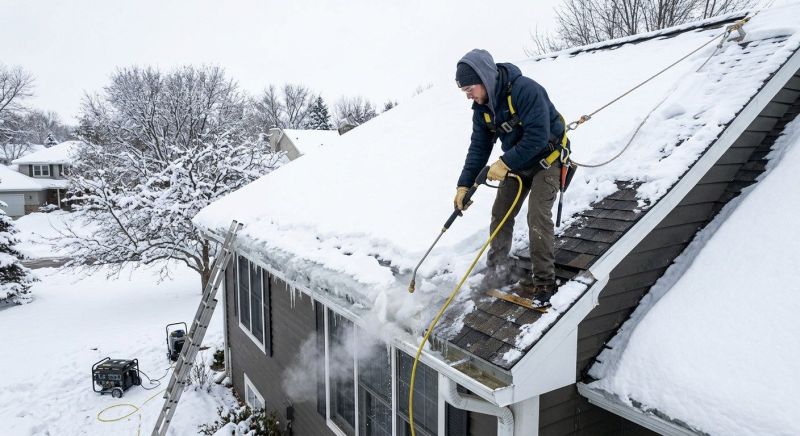
Roof ice dam removal services address the buildup of ice and snow that can form along the edges of a roof during winter months. This service involves safely removing ice dams to prevent water from seeping under shingles and causing leaks or water damage inside the property. Projects typically include homes and buildings in areas prone to heavy snowfall and freezing temperatures, where ice dams are a common concern for maintaining the integrity of the roof and preventing interior issues.
Homeowners considering ice dam removal should understand that the service is designed to mitigate potential water damage and prolong the lifespan of roofing materials. Before requesting this service, property owners often want to know about the methods used for removal, the safety precautions involved, and how the process can be tailored to their specific roof type and local climate conditions. Clear communication about the scope of work can help ensure the service aligns with the property's needs and winter weather challenges.
Many property owners in Seattle, WA look into Roof Ice Dam Removal for repairs, replacements, upgrades, and appearance-related improvements.
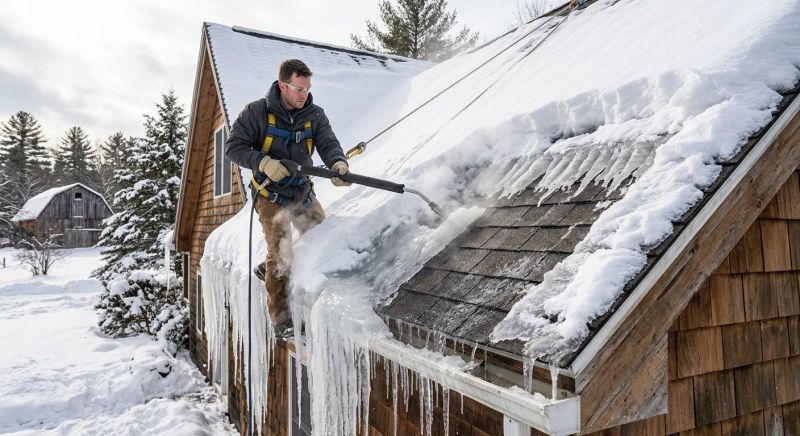
Roof Ice Dam Removal Services
Examples of roof ice dam removal work property owners may explore in seattle, wa.
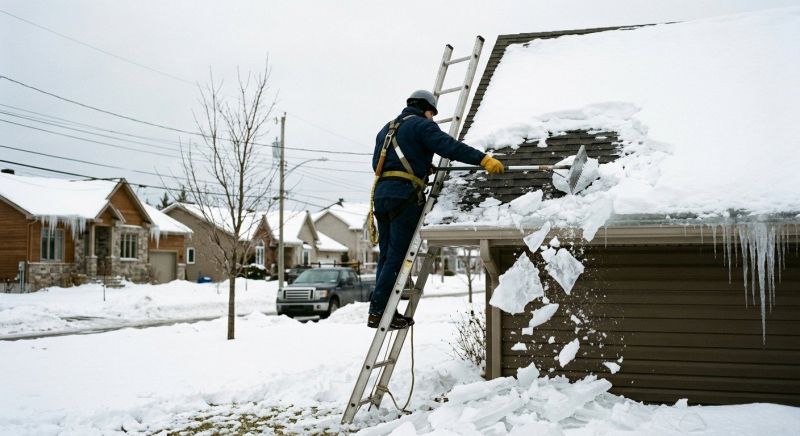
Roof Ice Dam Removal Updates
Common ways people refresh, improve, or restore roof ice dam removal features in seattle, wa.
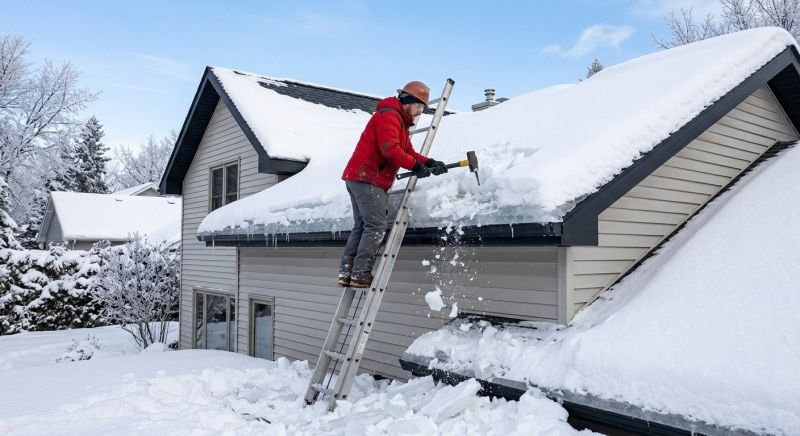
Roof Ice Dam Removal Options
Different styles, layouts, and finishes people consider for roof ice dam removal in seattle, wa.
Roof Ice Dam Removal in Seattle, WA

Roof ice dam removal services address the buildup of ice and snow that can form along the edges of a roof during winter months. This service involves safely removing ice dams to prevent water from seeping under shingles and causing leaks or water damage inside the property. Projects typically include homes and buildings in areas prone to heavy snowfall and freezing temperatures, where ice dams are a common concern for maintaining the integrity of the roof and preventing interior issues.
Homeowners considering ice dam removal should understand that the service is designed to mitigate potential water damage and prolong the lifespan of roofing materials. Before requesting this service, property owners often want to know about the methods used for removal, the safety precautions involved, and how the process can be tailored to their specific roof type and local climate conditions. Clear communication about the scope of work can help ensure the service aligns with the property's needs and winter weather challenges.
Many property owners in Seattle, WA look into Roof Ice Dam Removal for repairs, replacements, upgrades, and appearance-related improvements.
Common Roof Ice Dam Removal Jobs
Roof Ice Dam Removal - helps prevent water damage caused by ice buildup on roofs.
Ice dam prevention - involves removing existing ice dams and addressing causes.
Snow and ice clearing - includes removing accumulated snow and ice from roof edges.
Gutter clearing services - reduces the risk of ice dam formation by keeping gutters free of debris.
Roof inspection - identifies areas prone to ice dam formation and potential damage.
Emergency ice dam removal - provides prompt service during severe ice dam issues.
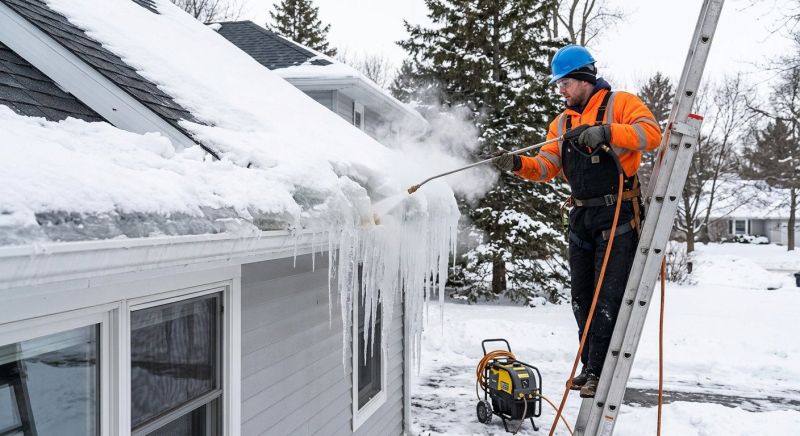

Roof Ice Dam Removal Questions
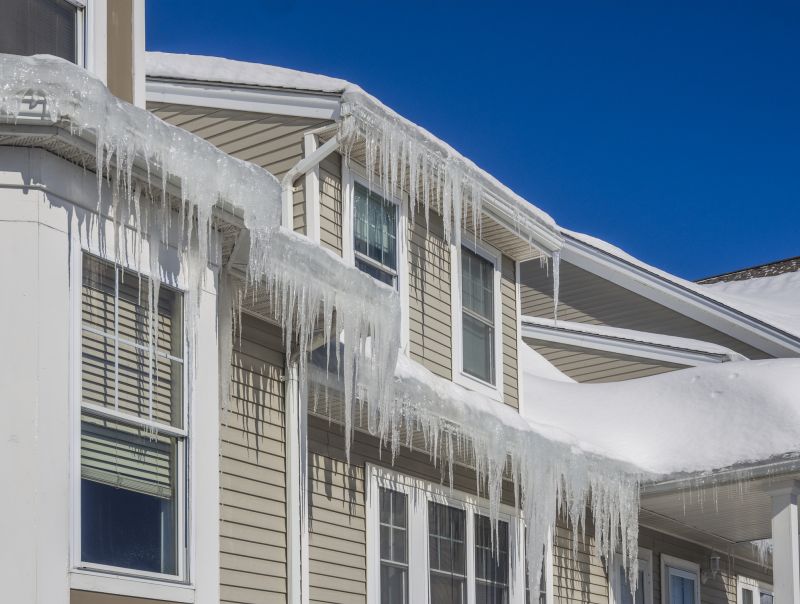
What is an ice dam on a roof? An ice dam is a buildup of ice at the edge of a roof that can prevent melting snow from draining properly, leading to potential leaks and damage.
How does ice dam removal help a roof? Removing ice dams reduces the risk of water backing up under roof shingles, which can cause leaks, rot, and structural issues.
What methods are used for ice dam removal? Techniques include specialized tools to safely break and remove ice, as well as methods to prevent future buildup.
When should ice dam removal be performed? It is recommended when ice dams are visible or causing water to back up on the roof, to prevent damage and water intrusion.
Request Roof Ice Dam Removal in Seattle, WA
Use the quote form on this page to share the basics of your project and request more information for the type of work you need.